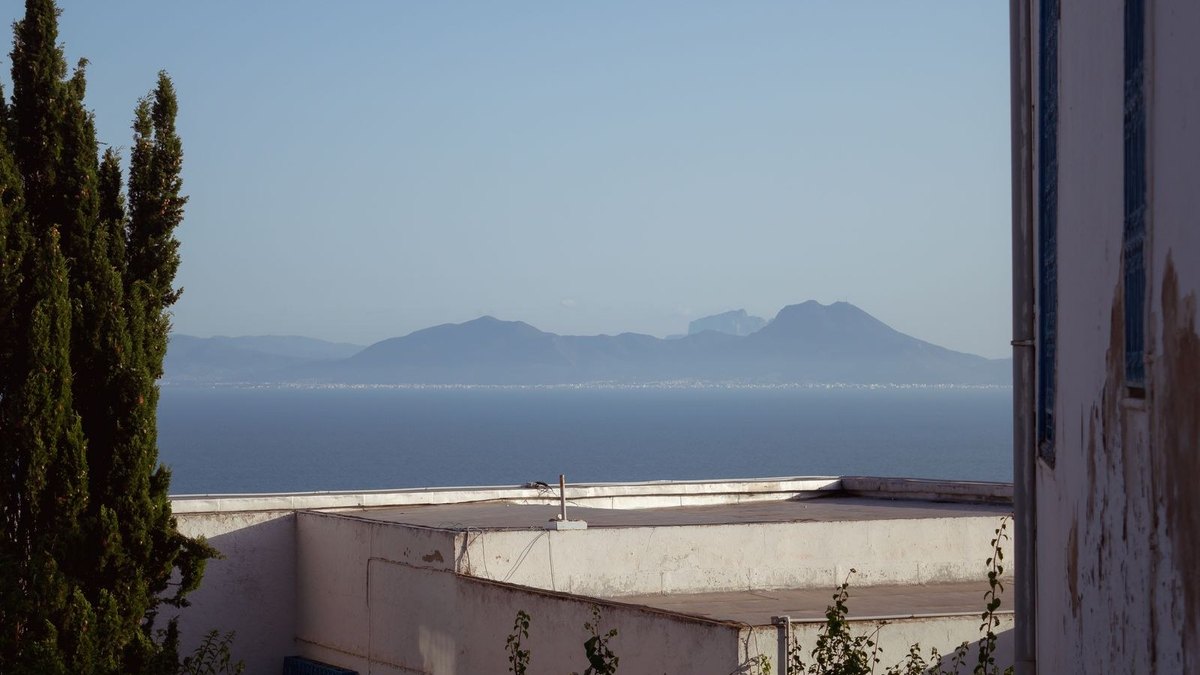
Short answer. Three days are enough for Tunis: day 1 the medina, day 2 the Bardo National Museum, day 3 Carthage and Sidi Bou Said. The Bardo is closed on Mondays, so plan it on another day. Hours and prices below come from the pages of the Tunisian heritage agency (AMVPPC), read on 26 October 2026.
Official hours and prices
| Site | Winter hours | Summer hours | Non-resident |
|---|---|---|---|
| Bardo National Museum | 9:30 to 16:30 | 9:00 to 17:00 | 13 DT; closed Monday |
| Carthage (museum and sites, combined ticket) | 8:30 to 17:00 | 8:00 to 18:00 | 12 DT |
During Ramadan the agency lists 9:30 to 16:30 at the Bardo and 8:00 to 17:00 at Carthage. Sources: Bardo page and Carthage page. Prices are in Tunisian dinars, payable on site.
Day 1: the medina of Tunis
Start from the Bab el Bhar gate and walk into the souks around the Zitouna Mosque. The heritage agency presents the medina as a living heritage of universal value. Go in the morning, when shops open and the lanes are cooler. Keep a small bag that closes, agree prices before buying, and dress as described in what to wear in Tunisia. Our page internet in Tunis covers signal in the medina.
Day 2: the Bardo National Museum
According to the heritage agency, the collection the Bardo is known for is its mosaics: mythology, the seasons, the sea, rural life, and the famous mosaic of the poet Virgil with two Muses. Its modern wing opens on the Triumph of Neptune mosaic, which the agency calls the icon of the museum. Allow half a day. Remember: closed on Mondays. In the afternoon, return to the medina or walk Avenue Habib Bourguiba.
Day 3: Carthage and Sidi Bou Said
One combined ticket covers the Carthage sites listed by the agency: the Malga cisterns, the amphitheatre, the circus, the Damous Carita basilica, the Antonine Baths, the theatre and the so-called Odeon quarter. The sites are spread out: a taxi between them saves time (see taxi apps in Tunisia). End the day in Sidi Bou Said, the blue and white village above the sea, a short ride away.
Is 2 days enough?
For the essentials, yes: the medina in the morning and the Bardo in the afternoon (not on a Monday), then Carthage and Sidi Bou Said on day two.
When to go, money and hotel tax
Over 2015 to 2024, Tunis averaged 27°C by day in October, 22°C in April and 35°C in July (Open-Meteo). The UK Foreign Office notes a hotel tax of 8 dinars per person per night in 3-star hotels and 12 in 4 and 5-star hotels, for at most ten nights, and that you are not allowed to take dinars out of Tunisia. See money in Tunisia.
Practical tips for Tunis
- Carry ID: the Foreign Office says foreign nationals must carry ID, such as a copy of the photo page of their passport, and that security officials may ask for it at any time.
- Photos: do not photograph government buildings or military sites.
- During Ramadan: museum hours are shorter, alcohol sales stop and fewer bars serve it, and eating, drinking or smoking in public in the daytime may cause offence. The Foreign Office says the next Ramadan starts in February 2027.
- Fridays: alcohol is not sold in supermarkets on Fridays, but hotels and bars still serve it (Foreign Office).
Your phone
For the trip itself, our Tunisia eSIM runs on Orange Tunisie, from €6.50 for one day to €21.90 for 7 days and €29 for 10 days, with 1 GB a day at full 4G speed and then 512 kbps until the next day. It starts at your first connection in Tunisia, so you can install it at home on Wi-Fi; when you land, turn data roaming on for the eSIM line. Check that your phone is eSIM compatible first.