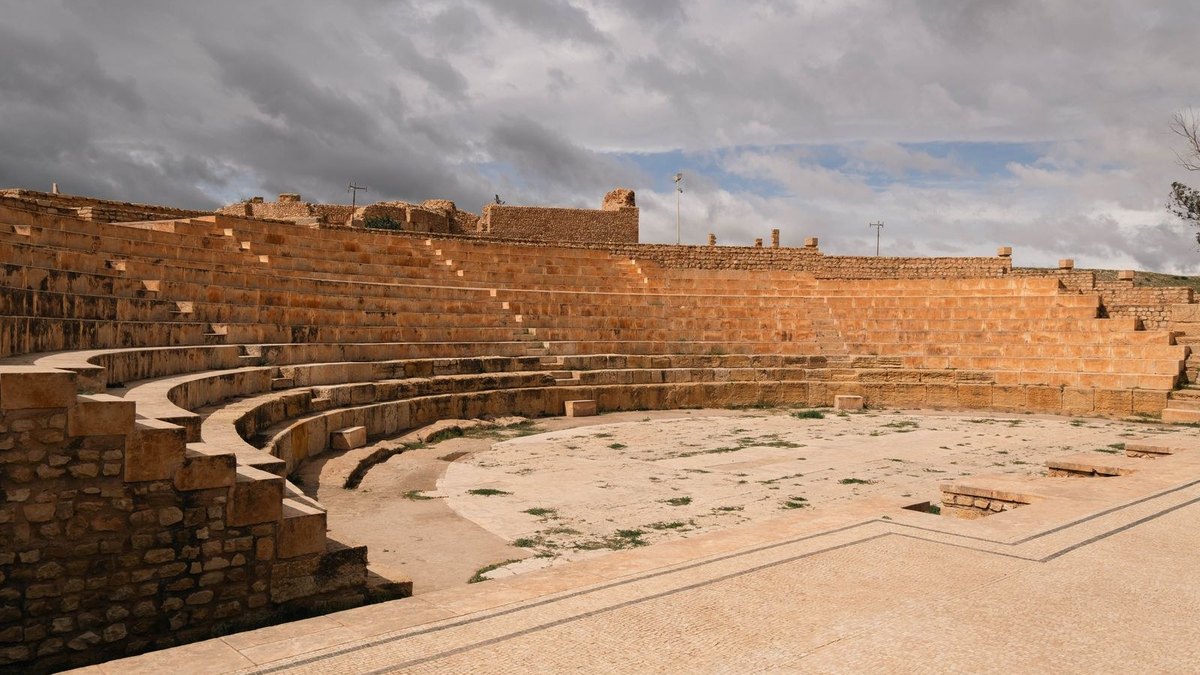
Short answer. No vaccine is required to enter Tunisia. TravelHealthPro states that "there are no certificate requirements under International Health Regulations", and the CDC says yellow fever vaccine is "not recommended" and "not required". For the trip itself, TravelHealthPro recommends hepatitis A and tetanus for most travellers, and typhoid, rabies, measles and hepatitis B for some. Read on 26 October 2026.
Recommended vaccines
| Vaccine | TravelHealthPro (UK) | CDC (US) |
|---|---|---|
| Routine vaccines (MMR, diphtheria-tetanus-polio) | All travellers: be up to date | All travellers; measles vaccination for everyone travelling |
| Hepatitis A | Most travellers | Unvaccinated travellers from 1 year old; infants 6 to 11 months too |
| Tetanus | Most travellers (booster if due) | Part of routine vaccines |
| Typhoid | Some travellers (higher-risk activities) | Most travellers |
| Hepatitis B | Some travellers (intermediate or high prevalence) | Unvaccinated travellers under 60 |
| Rabies | Some travellers (reported in domestic animals) | Depending on activities; dogs with rabies are common |
| Measles | Some travellers (risk assessed as higher than in the UK) | All travellers: fully vaccinated with MMR |
| Yellow fever | No certificate requirement | Not recommended, not required |
"Some travellers" means a health professional decides with you, depending on your route, the length of your stay and what you will do. A week in a Djerba hotel is not the same as a month in villages of the interior.
Malaria
None of the three official sources we read (TravelHealthPro, the CDC and France Diplomatie) lists malaria as a risk for Tunisia, and none recommends antimalarial tablets. The UK Foreign Office's health page mentions biting insects and ticks, and France Diplomatie mentions West Nile virus, carried by mosquitoes, for which there is no vaccine: repellent and covering clothes in the evening are the protection.
Other health risks named
- Rabies: avoid contact with all animals. After any bite or scratch, wash the wound and get medical advice the same day (TravelHealthPro). The CDC notes that rabies vaccines are typically available throughout most of Tunisia.
- Food and water: hepatitis A and typhoid spread through contaminated food and water.
- Insects and ticks: named on the UK Foreign Office health page.
- Freshwater: the CDC lists schistosomiasis and leptospirosis, linked to contaminated fresh water: avoid wading or swimming in it.
When to see a nurse or doctor
The UK Foreign Office says to check vaccine recommendations "at least 8 weeks before your trip". TravelHealthPro suggests an appointment "at least four to six weeks before travel", and the CDC says to visit your doctor at least a month before. The NHS travel vaccinations page explains which vaccines are free on the NHS.
Children
Children follow the same lists with the CDC's age limits: hepatitis A from 1 year (and from 6 months for infants travelling), measles vaccination for every traveller old enough. Bring the child's vaccination record to the appointment.
Emergencies and insurance
The ambulance number in Tunisia is 190 (FCDO). The Foreign Office adds that there is no free medical attention for foreign nationals and that private clinics must be paid on the spot, sometimes before treatment: see travel insurance for Tunisia. For medicines, see medication in Tunisia.
A simple timeline
- 8 weeks before: read the TravelHealthPro Tunisia page and book a travel health appointment, earlier if you have a health condition.
- 4 to 6 weeks before: the appointment. Bring your vaccination record, your itinerary (coast only, or villages and the south too?) and the list of medicines you take. Ask about hepatitis A, a tetanus booster, and whether typhoid, rabies or hepatitis B fit your trip. Check that your MMR doses are complete: both TravelHealthPro and the CDC mention measles.
- 2 weeks before: buy insurance that covers medical treatment and repatriation, and pack repellent for mosquitoes and ticks.
- Before the flight: save the ambulance number, 190, in your phone.
Your phone
For the trip itself, our Tunisia eSIM runs on Orange Tunisie, from €6.50 for one day to €21.90 for 7 days and €29 for 10 days, with 1 GB a day at full 4G speed and then 512 kbps until the next day. It starts at your first connection in Tunisia, so you can install it at home on Wi-Fi; when you land, turn data roaming on for the eSIM line. Check that your phone is eSIM compatible first.